PadStyler vs BoxBrownie: Which Virtual Staging Platform Is Better for Real Estate in 2026?

The real estate industry has evolved into a highly visual and digital-first marketplace. Buyers no longer depend only on physical visits to decide whether a property is worth considering. Today, the first impression happens online through listing photos, social media posts, virtual tours, and AI-generated property visuals.

Because of this shift, virtual staging has become one of the most important marketing tools for modern real estate agents.

Properties that look professionally designed tend to generate more clicks, more engagement, and more buyer inquiries. Empty rooms feel cold and difficult to imagine, while beautifully staged interiors help buyers emotionally connect with a property.

This growing demand for visually enhanced listings has pushed platforms like PadStyler and BoxBrownie into the spotlight.

Both platforms help real estate professionals improve listing images, but they operate very differently.

PadStyler focuses heavily on AI-powered automation and instant content generation, while BoxBrownie relies more on professional human editors and traditional virtual staging workflows.

So which platform is actually better for modern real estate marketing?


In this detailed comparison, we will break down:

  • AI capabilities
  • Virtual staging quality
  • Turnaround speed
  • Pricing structure
  • Scalability
  • Realtor branding potential
  • Social media advantages
  • Marketing ROI
  • Best use cases for each platform

If you are a realtor, investor, photographer, Airbnb host, or property marketer, this guide will help you choose the right solution for your business.


Understanding the Rise of Virtual Staging

Before comparing both platforms, it is important to understand why virtual staging has become such a powerful marketing tool.

Traditional home staging can cost thousands of dollars.

Furniture rentals, decorators, movers, and installation expenses make physical staging difficult for many agents and homeowners.

Virtual staging solves this problem by digitally furnishing rooms instead of physically decorating them.

The results are faster, cheaper, and easier to scale.

Now AI is taking virtual staging even further.

Instead of relying completely on human editors, AI-powered platforms can instantly redesign rooms, add furniture, generate remodel concepts, and create multiple style variations within minutes.

This is where the difference between PadStyler and BoxBrownie becomes very important.


What Is PadStyler?

PadStyler is an AI-powered real estate visualization platform designed to help agents create high-quality property marketing visuals instantly.

The platform focuses on speed, automation, and scalability.

Instead of waiting days for human editors, users can upload listing photos and receive AI-enhanced designs within minutes.

PadStyler offers features such as:

  • AI virtual staging
  • AI remodeling previews
  • Furniture replacement
  • Interior redesign
  • Exterior enhancement
  • Style transformation
  • Luxury room concepts
  • Instant rendering
  • Before-and-after staging

One of the biggest advantages of PadStyler is its ability to generate multiple design concepts quickly.

Agents can experiment with different aesthetics such as:

  • Luxury modern
  • Scandinavian
  • Contemporary
  • Farmhouse
  • Minimalist
  • Industrial

This flexibility makes PadStyler highly useful for real estate professionals who need large amounts of marketing content regularly.


What Is BoxBrownie?

BoxBrownie is one of the most recognized virtual staging and real estate photo editing companies in the industry.

Unlike AI-first platforms, BoxBrownie relies primarily on professional human editors.

The company offers services such as:

  • Virtual staging
  • Image enhancement
  • Day-to-dusk conversion
  • Item removal
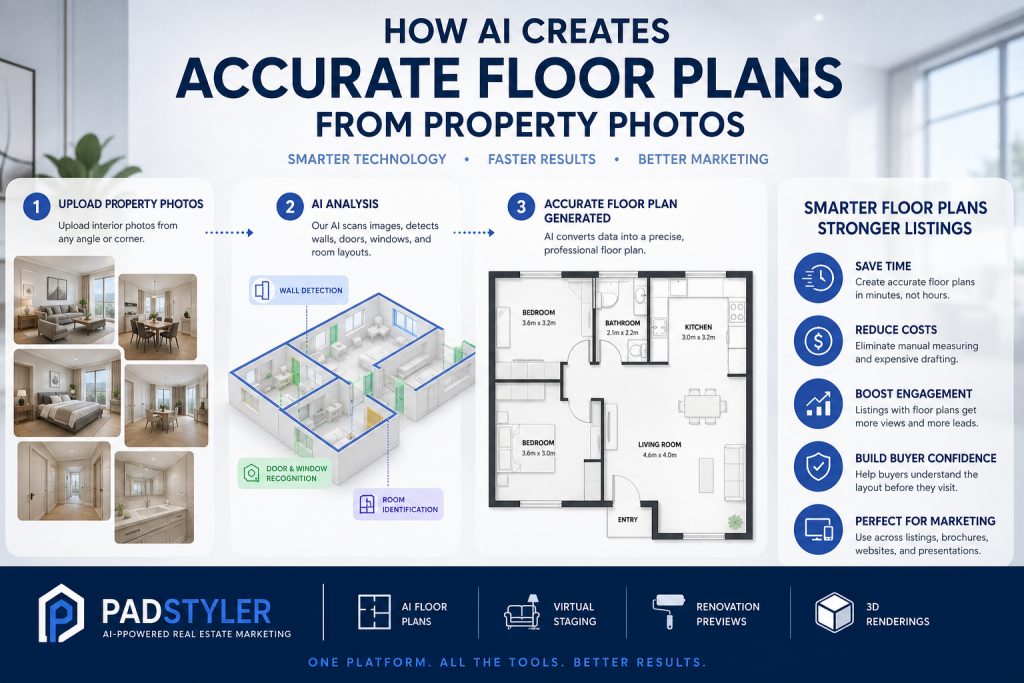
  • Floor plans
  • CGI rendering
  • Virtual renovation
  • Commercial editing

BoxBrownie has been trusted by many real estate photographers and agencies for years because of its polished editing quality and consistent results.

However, the workflow is significantly different from AI-powered systems.

Since human designers manually work on projects, delivery times are slower and costs can increase for agents handling many listings monthly.


The Core Difference Between PadStyler and BoxBrownie

The main difference comes down to technology.


PadStyler = AI Automation

PadStyler uses artificial intelligence to automate staging and room transformation.

This allows users to:

✔ Generate visuals instantly
✔ Create multiple room styles quickly
✔ Scale listing marketing faster
✔ Produce social media content daily
✔ Reduce staging costs significantly

The AI workflow is designed for speed and efficiency.


BoxBrownie = Human Editing

BoxBrownie focuses more on traditional manual editing by professional designers.

This provides:

✔ Human-level customization
✔ Detailed furniture placement
✔ Advanced realism
✔ Consistent room angles

However, the process usually takes longer and costs more per image.


Feature Comparison Chart

Feature PadStyler BoxBrownie
AI Virtual Staging ✔ Yes Limited
Human Editors Minimal ✔ Yes
Instant Results ✔ Yes ✘ No
Multiple Design Variations ✔ Instant Manual Requests
Turnaround Speed Minutes 24–48 Hours
Subscription Pricing ✔ Yes Mostly Pay-Per-Image
Scalability Excellent Moderate
Social Media Content Creation Excellent Good
AI Remodeling ✔ Yes Limited
Best For Fast AI marketing Premium manual edits


Speed Comparison: Why Turnaround Time Matters

In real estate, speed can directly affect sales performance.

Listings often need to go live quickly.

Agents cannot always wait several days for edited visuals.

This is one of the biggest reasons AI staging platforms are becoming more popular.


PadStyler Speed Advantage

PadStyler delivers AI-generated staging within minutes.

This creates several advantages for agents:


Faster Listing Launches

Properties can be marketed immediately after photography sessions.


Same-Day Social Media Content

Agents can instantly create Instagram posts, Facebook ads, and listing promotions.


Quick Style Testing

Users can test multiple furniture styles without extra delays.


Faster Client Approvals

Sellers can review several design concepts quickly.


Visual Performance Bar

PadStyler Speed Efficiency

████████████████████ 95%

BoxBrownie Speed Efficiency

████████████ 60%

BoxBrownie Turnaround Time

Because BoxBrownie depends on human editors, delivery usually takes 24–48 hours.

While this may still be fast compared to physical staging, it is slower than AI-generated systems.

For luxury listings, this may not be a major issue.

But for agents handling many listings weekly, delays can reduce marketing efficiency.


Pricing Comparison

Pricing plays a huge role in platform selection.

Especially for agents managing multiple properties every month.


PadStyler Pricing Structure

PadStyler focuses on scalable AI-powered subscriptions.

Advantages include:

✔ Lower long-term costs
✔ Unlimited content generation
✔ Better scalability
✔ Faster experimentation
✔ Cost-effective for teams

Instead of paying for every image individually, agents can generate large amounts of content under monthly plans.

This is highly beneficial for:

  • High-volume realtors
  • Airbnb managers
  • Marketing agencies
  • Real estate teams
  • Property investors

Continue reading


How AI Renovation Previews Help Investors Flip Homes Faster

The real estate investment market has become more competitive than ever. Property investors are constantly searching for ways to renovate faster, market smarter, reduce holding costs, and close deals before competitors enter the market.

In today’s digital-first housing market, buyers make decisions quickly. Most buyers scroll through listings online before they ever schedule a showing. If a property looks outdated, empty, or visually uninspiring, potential buyers move on within seconds.

This is where AI renovation previews are transforming the real estate industry.

Modern investors are no longer relying solely on physical renovations, expensive staging, or lengthy design consultations. Instead, they are using AI-powered renovation previews to show buyers exactly what a property could become before major work is completed.

Platforms like PadStyler are helping real estate investors create realistic renovation visualizations, modern staging concepts, and marketing-ready property images that dramatically improve buyer engagement.

For house flippers, this technology is becoming one of the most powerful tools for accelerating sales and maximizing return on investment.

What Are AI Renovation Previews?

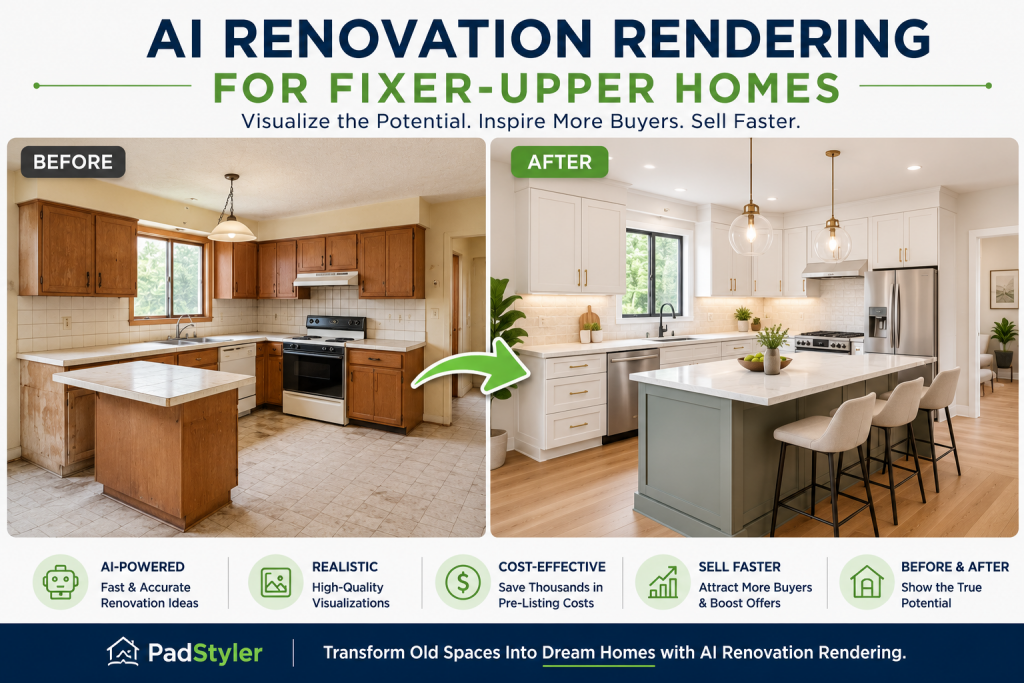
AI renovation previews are digitally generated property transformations powered by artificial intelligence. These previews show realistic “after renovation” versions of homes using advanced image processing and design automation.

Instead of imagining how a property might look after upgrades, buyers can instantly see remodeled kitchens, modern living rooms, updated bathrooms, new flooring, enhanced lighting, and redesigned exteriors.

The process is fast, affordable, and scalable.

Traditional architectural renderings often require designers, manual edits, lengthy revisions, and high production costs. AI tools simplify this process dramatically.

With AI renovation technology, investors can:

  • Showcase remodeled spaces before construction begins
  • Visualize multiple design styles instantly
  • Create modern staging concepts
  • Generate marketing images within hours
  • Test renovation ideas before spending capital
  • Increase listing engagement online

For real estate investors flipping homes, these benefits directly impact profitability and speed.

Why Speed Matters in House Flipping

Successful property flipping depends heavily on timing.

Every extra week a property remains unsold increases carrying costs. Investors continue paying:

  • Mortgage payments
  • Property taxes
  • Insurance
  • Utilities
  • Maintenance expenses
  • Interest costs
  • Marketing costs

The longer the holding period, the lower the overall profit margin.

This is why investors focus intensely on reducing time-to-sale.

AI renovation previews help shorten the sales cycle by making properties visually attractive earlier in the process.

Instead of waiting for complete renovations, investors can begin marketing immediately with AI-generated previews.

This creates momentum long before physical construction is finalized.

The Psychology Behind Buyer Decision-Making

Most homebuyers struggle with visualization.

An outdated property with old flooring, damaged walls, poor lighting, or empty rooms often feels emotionally disconnected. Buyers cannot easily imagine the final result.

This creates hesitation.

AI renovation previews solve this problem by helping buyers emotionally connect with the property instantly.

When buyers see a beautifully renovated kitchen or a modern staged living room, they begin imagining themselves living in the space.

That emotional connection increases buyer interest dramatically.

In many cases, buyers become willing to pay higher prices because the transformation already feels tangible and realistic.

For investors, this means:

  • More listing clicks
  • More showing requests
  • More buyer inquiries
  • Faster offers
  • Higher perceived property value

How AI Renovation Previews Reduce Renovation Risk

One of the biggest challenges in real estate investing is uncertainty.

Investors constantly ask questions such as:

  • Which renovation style will attract buyers?
  • Should the kitchen be modern or traditional?
  • Will open-concept layouts perform better?
  • Which flooring style increases resale value?
  • What color palettes appeal most to local buyers?

Making the wrong renovation decisions can reduce profit margins significantly.

AI renovation previews allow investors to test visual concepts before investing heavily in construction.

Instead of relying purely on assumptions, investors can preview multiple renovation styles digitally and evaluate which designs create the strongest visual impact.

This leads to smarter renovation planning and more strategic budget allocation.

AI Renovation Previews Improve Listing Performance

Online listings are the first impression for most buyers.

In highly competitive real estate markets, professional visuals are essential.

Listings with poor photography or outdated interiors often receive fewer clicks and lower engagement.

AI-enhanced renovation previews help investors create visually striking listings that stand out immediately.

Professionally enhanced property images can increase:

  • Click-through rates
  • Time spent on listings
  • Social media shares
  • Buyer inquiries
  • Showing requests

More visibility means more opportunities to sell quickly.

For investors flipping homes, better marketing directly translates into faster transactions.

Virtual Staging Benefits for Real Estate Investors

Virtual staging has become one of the most important tools in modern property marketing.

Empty homes often feel cold and uninviting. Buyers struggle to understand room functionality, furniture placement, and scale.

AI virtual staging solves this issue instantly.

Using platforms like PadStyler, investors can transform empty rooms into fully furnished, professionally designed spaces without physically staging the property.

This provides several major advantages.

Lower Staging Costs

Traditional staging can cost thousands of dollars per property.

Furniture rental, transportation, installation, and removal create ongoing expenses.

AI virtual staging reduces these costs dramatically while still producing high-quality visual results.

Faster Marketing Launches

Physical staging takes time.

AI staging can often be completed within hours, allowing investors to market properties immediately.

Speed matters when carrying costs continue accumulating daily.

Multiple Design Styles

Different buyers respond to different aesthetics.

AI staging allows investors to create multiple design variations for the same property, including:

  • Modern luxury
  • Scandinavian minimalism
  • Contemporary urban
  • Farmhouse design
  • Family-oriented interiors

This flexibility improves targeting for different buyer demographics.

Better Online Engagement

Professionally staged properties typically perform better on listing platforms and social media.

Visually appealing homes capture attention faster and generate stronger emotional responses from buyers.

How AI Helps Investors Build Stronger Real Estate Brands

Modern real estate investing is not only about buying and selling properties.

Branding now plays a major role in long-term success.

Investors who consistently present polished, professional, high-quality listings build stronger credibility in the marketplace.

AI renovation previews help investors create a recognizable visual identity.

When every listing appears modern, professionally styled, and visually compelling, buyers begin associating the investor’s brand with quality properties.

This brand consistency can lead to:

  • Higher trust
  • More referrals
  • Better partnerships
  • Stronger social media growth
  • Increased investor credibility

For real estate professionals scaling their flipping business, branding becomes a major competitive advantage.

Faster Buyer Decisions Through Visualization

One of the biggest reasons properties sit on the market is buyer hesitation.

When buyers cannot clearly visualize potential, they delay decisions.

AI renovation previews reduce uncertainty significantly.

Instead of imagining possibilities, buyers immediately see finished outcomes.

This creates confidence.

Confident buyers move faster.

For investors, faster buyer decisions reduce holding costs and improve cash flow efficiency.

AI Helps Investors Market Distressed Properties

Distressed homes are often difficult to market.

Damaged interiors, outdated designs, clutter, or unfinished renovations create negative first impressions.

However, these properties often have the greatest investment potential.

AI renovation previews allow investors to market the future value of distressed properties instead of focusing on current flaws.

This changes the buyer conversation entirely.

Instead of selling problems, investors begin selling possibilities.

That shift can dramatically improve property interest.

Remote Investing Becomes Easier With AI

Many modern investors purchase properties remotely.

Out-of-state investing has become increasingly common due to rising digital real estate platforms.

AI renovation previews make remote property analysis easier because investors can visualize transformation opportunities before purchasing.

This improves acquisition confidence and supports faster decision-making.

Remote buyers also benefit because they can understand renovation potential without visiting the property physically.


AI Renovation Previews Improve Agent Collaboration

Real estate agents play a major role in the house flipping process.

Agents want listings that attract attention quickly and convert leads efficiently.

When investors provide AI-enhanced renovation previews, agents gain stronger marketing assets that improve listing performance.

This strengthens relationships between investors and agents.

Agents are more likely to prioritize listings that generate higher engagement and faster sales.

Over time, this can create valuable referral partnerships for investors.


Competitive Advantage in Crowded Markets

Many real estate markets are becoming saturated with similar listings.

Buyers often compare dozens of properties online before making decisions.

AI renovation previews create differentiation.

Instead of showing empty or outdated spaces, investors present polished renovation visions that stand out immediately.

This competitive advantage becomes especially important in slower housing markets where buyer attention is limited.


Cost Efficiency Compared to Traditional Marketing

Traditional real estate marketing can become expensive quickly.

Professional staging, redesign consultations, photography reshoots, and architectural renderings all increase project expenses.

AI-powered renovation previews provide many of the same marketing benefits at a fraction of the cost.

For investors managing multiple properties simultaneously, scalability matters.

AI tools allow investors to produce professional marketing visuals efficiently across multiple projects without dramatically increasing operational costs.

Data-Driven Renovation Decisions

AI technology is becoming increasingly intelligent.

Modern platforms can identify design trends, buyer preferences, and visual patterns that perform well in real estate marketing.

This data-driven approach helps investors make more strategic renovation choices.

Instead of relying purely on personal taste, investors can focus on designs proven to attract buyers.

This improves both efficiency and profitability. Continue reading


Why Realtors Are Switching to PadStyler: The Future of Real Estate Marketing

The real estate industry is changing faster than ever.

Today’s buyers are no longer walking into every open house in their neighborhood. Instead, they are scrolling through listings online, comparing properties in seconds, and making decisions before ever contacting an agent.

That shift has completely transformed how homes are marketed.

In a digital-first market, presentation is everything. A property with poor visuals can be ignored instantly, while a beautifully presented listing can generate more clicks, more inquiries, and faster offers.

This is exactly why more realtors are moving toward AI-powered real estate marketing platforms like PadStyler.

From AI virtual staging to remodeling previews and outdoor transformations, modern agents are realizing that traditional marketing methods are no longer enough to compete. Speed, affordability, flexibility, and high-quality visuals are becoming essential tools for winning listings and closing deals faster.

The future of real estate marketing is no longer physical staging trucks, expensive furniture rentals, and week-long turnaround times.

The future is AI-driven visualization.

And realtors everywhere are adapting quickly.

The Modern Real Estate Buyer Has Changed

The first showing no longer happens in person.

It happens online.

Buyers now make emotional decisions based on listing photos viewed on platforms like Zillow, Realtor.com, Instagram, Facebook, and brokerage websites. If the photos fail to create interest immediately, most buyers simply move on to the next property.

According to information published by PadStyler AI, staged homes help buyers better visualize a property as their future home, often resulting in faster sales and stronger buyer engagement. (padstyler.com)

This shift has created a major challenge for agents:

How do you make every listing look visually compelling without spending thousands of dollars on traditional staging?

That is where AI-powered platforms are changing the game.

Traditional Home Staging Is Expensive and Slow

For years, traditional staging was considered the gold standard in property marketing.

Agents hired staging companies to physically furnish empty homes with rented furniture and décor. While effective, the process created several problems:

  • High staging costs
  • Scheduling delays
  • Furniture transportation
  • Limited design flexibility
  • Long setup timelines
  • Expensive revisions
  • Additional photography costs

For luxury homes, staging costs can easily reach thousands of dollars per property.

For many agents, especially those handling multiple listings each month, that approach simply isn’t scalable anymore.

Modern realtors need solutions that are:

Traditional Marketing Problems What Realtors Need Today
Expensive staging fees Affordable marketing
Slow turnaround times Instant results
One design style Multiple buyer-focused styles
Manual revisions Fast AI editing
Complex coordination Simple workflows
Limited scalability Bulk listing support

This demand for efficiency is one of the biggest reasons agents are switching to AI real estate marketing platforms.

Why AI Virtual Staging Is Exploding

AI virtual staging allows agents to digitally furnish and redesign properties using artificial intelligence.

Instead of physically moving furniture into a home, agents can upload property photos and generate fully staged interiors within minutes.

Platforms like PadStyler AI Virtual Staging provide tools that help agents instantly transform empty spaces into realistic, professionally designed rooms. (padstyler.com)

This changes everything.

Now agents can:

  • Stage vacant homes instantly
  • Create multiple design styles
  • Appeal to different buyer demographics
  • Market listings faster
  • Reduce staging expenses
  • Improve online engagement
  • Test different visual approaches

More importantly, AI staging allows agents to compete at a higher level without increasing marketing budgets.

Realtors Need Speed More Than Ever

In today’s competitive market, speed matters.

The faster a listing goes live, the faster buyers see it.

Traditional staging can delay listings for days or even weeks. AI-powered staging can produce marketing-ready visuals almost instantly.

PadStyler highlights instant staging workflows designed specifically for agents who need faster listing preparation and scalable solutions. (padstyler.com)

That speed creates a major advantage.

Faster Listings Mean:

  • Faster market exposure
  • More online visibility
  • Faster buyer inquiries
  • Better listing momentum
  • Reduced vacancy time
  • Higher agent productivity

For busy realtors managing multiple properties, this efficiency becomes extremely valuable.

AI Helps Buyers Emotionally Connect With Properties

Empty rooms rarely inspire buyers.

Most buyers struggle to imagine how furniture will fit into a space or how a room could actually look once furnished.

Virtual staging solves that problem.

Beautifully designed spaces help buyers emotionally connect with a home before they ever visit it in person.

This emotional connection often increases:

  • Click-through rates
  • Showing requests
  • Social media engagement
  • Buyer interest
  • Perceived property value

PadStyler Portfolio notes that enhanced listings can generate significantly more clicks and buyer engagement compared to empty listing photos. (padstyler.com)

That online attention directly impacts lead generation for agents.

Modern Realtors Want Multiple Design Styles

One of the biggest advantages of AI-powered staging is flexibility.

Traditional staging usually limits a property to one design style due to cost and logistics.

AI staging changes that completely.

Agents can now create multiple looks for the same room, including:

  • Modern interiors
  • Luxury aesthetics
  • Scandinavian designs
  • Farmhouse themes
  • Minimalist spaces
  • Family-friendly layouts
  • High-end contemporary styling

This allows agents to market the same property to different buyer personas without additional staging costs.

For example:

Buyer Type Preferred Style
Young professionals Modern minimalist
Families Warm and functional
Luxury buyers Elegant contemporary
Investors Clean neutral staging
First-time buyers Cozy approachable interiors

This personalization helps listings connect with broader audiences.

AI Remodeling Is Creating New Opportunities

Buyers often struggle to see the potential in outdated homes.

An old kitchen, worn flooring, or outdated backyard can reduce buyer interest immediately.

That is why AI remodeling previews are becoming extremely popular.

PadStyler AI Remodeling allows agents to visualize renovations digitally before any physical work is completed. (padstyler.com)

Instead of showing buyers a dated property, agents can show:

  • Renovated kitchens
  • Modern bathrooms
  • Updated flooring
  • New paint concepts
  • Backyard transformations
  • Outdoor entertainment areas

This helps buyers focus on possibility instead of current imperfections.

Outdoor Visualization Is Becoming a Competitive Advantage

Exterior spaces matter more than ever.

Backyards, patios, pools, gardens, and outdoor entertainment areas are now major selling points for many buyers.

AI-powered backyard design tools help agents market outdoor spaces more effectively.

PadStyler AI Backyard Design enables agents to create realistic landscaping and outdoor design previews that help buyers visualize a property’s full potential. (padstyler.com)

This is especially powerful for:

  • Luxury homes
  • Vacation properties
  • Family homes
  • Outdoor entertainment spaces
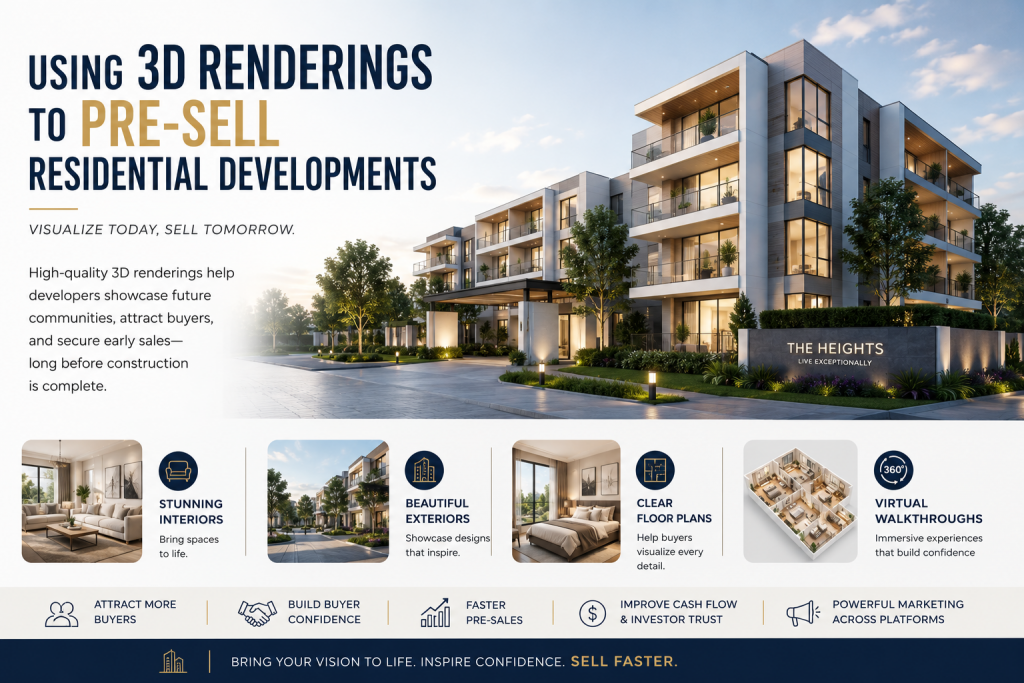
  • New construction projects

Outdoor visualization can dramatically improve listing appeal online. Continue reading


PadStyler vs VirtualStagingAI: Which AI Virtual Staging Tool Is Better in 2026?


The demand for AI-powered virtual staging has exploded in real estate. Agents, photographers, property managers, and home sellers are all looking for faster and more affordable ways to transform empty spaces into attractive listing photos.

One platform that often comes up in conversations is VirtualStagingAI. But many real estate professionals are now searching for a better alternative that offers more realistic designs, advanced editing tools, and flexible staging options.

That’s where PadStyler comes in.

In this comparison, we’ll break down the differences between VirtualStagingAI and PadStyler so you can decide which platform is best for your real estate marketing needs.

What Is VirtualStagingAI?

VirtualStagingAI is an AI-powered staging platform designed to help users quickly furnish empty rooms using artificial intelligence. The platform is known for its speed and low-cost automated staging. Many users choose it because they can upload a room photo and receive staged images within seconds. (Reddit)

The platform works well for:

  • Fast property listings
  • Rental properties
  • Budget-friendly staging
  • Simple room transformations

However, many users also mention limitations with realism, consistency, and room accuracy when compared to higher-end solutions. (Reddit)


Why Realtors Are Looking for a VirtualStagingAI Alternative

AI staging tools are becoming more competitive every year. Realtors now want more than just quick furniture placement.

Today’s agents need:

  • Photorealistic results
  • MLS-friendly images
  • Consistent staging across multiple room angles
  • Better furniture scaling
  • Remodeling previews
  • Advanced editing controls
  • Human-quality finishes

Some Reddit users noted that cheaper AI staging tools can sometimes create unrealistic furniture placement or alter room structures unexpectedly. (Reddit)

This is why many professionals are switching to more advanced platforms like PadStyler.


What Makes PadStyler Different?

PadStyler AI is an all-in-one AI real estate design platform built specifically for real estate professionals.

Unlike basic AI staging tools, PadStyler combines:

  • AI virtual staging
  • AI remodeling
  • AI backyard design
  • Bespoke human-designed staging
  • 3D rendering services
  • Multi-view staging consistency

According to PadStyler, their platform is designed for agents, photographers, and designers who need realistic staging with speed and scalability. (padstyler.com)


PadStyler vs VirtualStagingAI Comparison

Feature PadStyler VirtualStagingAI
AI Virtual Staging Yes Yes
AI Remodeling Yes Limited
Multi-View Consistency Yes Limited
Bespoke Human Designers Yes No
Backyard Design Yes No
3D Rendering Yes No
Advanced Editing Tools Yes Basic
Speed Instant Instant
Realism Highly realistic Good for quick staging
Best For Realtors, luxury listings, developers Budget-friendly quick staging

1. Better Image Realism

One of the biggest complaints about low-cost AI staging tools is unrealistic furniture placement or “AI-looking” results.

PadStyler focuses heavily on photorealistic outputs. Their AI understands:

  • Lighting
  • Room dimensions
  • Furniture scaling
  • Interior design balance

The company also offers optional human quality control for premium results. (padstyler.com)

This makes PadStyler especially useful for:

  • Luxury listings
  • High-end real estate marketing
  • MLS-ready photos
  • Developer presentations

2. AI Remodeling Features

Most AI staging platforms only add furniture.

PadStyler goes much further with AI remodeling tools that can preview:

  • Kitchen renovations
  • Bathroom upgrades
  • Flooring replacements
  • Paint changes
  • Backyard transformations

This is a huge advantage for:

  • Investors
  • House flippers
  • Remodelers
  • Builders
  • Realtors marketing fixer-uppers

The ability to show buyers renovation possibilities can significantly increase buyer engagement.


3. Multi-View Room Matching

One major issue with many AI staging platforms is inconsistency between room angles.

For example:

  • One image may show a gray sofa
  • Another angle may suddenly show a completely different setup

PadStyler’s multi-view staging system helps maintain design consistency across multiple room photos. (padstyler.com)

This creates:

  • More professional listing presentations
  • Better buyer trust
  • Cleaner MLS galleries

Continue reading


Realtor Marketing Tips: How AI Virtual Staging Is Changing Real Estate Marketing


The real estate industry has become more competitive than ever. Buyers no longer begin their home search by driving around neighborhoods or checking newspaper ads. Today, almost every buyer starts online. They scroll through property listings, compare homes, and make decisions based on photos before they ever contact an agent.

This means one thing for realtors: first impressions matter more than ever.

If a property looks empty, outdated, or poorly presented, buyers may skip it within seconds. But when a listing features beautiful, professionally styled interiors, buyers are more likely to click, explore the photos, and schedule a viewing.

That is why many real estate professionals are now using ai virtual staging to improve their marketing results. Artificial intelligence has made it possible to transform empty rooms into modern, fully furnished spaces quickly and affordably.

With platforms like PadStyler, agents can create stunning listing visuals without spending thousands on traditional home staging.

In this guide, we’ll explore practical realtor marketing tips and explain how Virtual Staging AI is helping agents attract buyers, generate leads, and sell homes faster.


Why Real Estate Marketing Has Changed

Real estate marketing is no longer just about putting a sign outside a property. The modern buyer expects high-quality online experiences.

When people search for homes online, they often compare dozens of listings in a short amount of time. The listings with the best visuals usually get the most attention.

Professional marketing helps realtors:

  • Attract more buyers
  • Build trust with sellers
  • Increase online visibility
  • Sell homes faster
  • Improve brand reputation
  • Generate more referrals

The challenge is that traditional marketing methods can be expensive and time-consuming. Professional photography, physical staging, and home preparation all require significant investment.

This is why AI Powered Virtual Staging is becoming one of the most valuable tools for modern real estate agents.


What Is AI Virtual Staging?

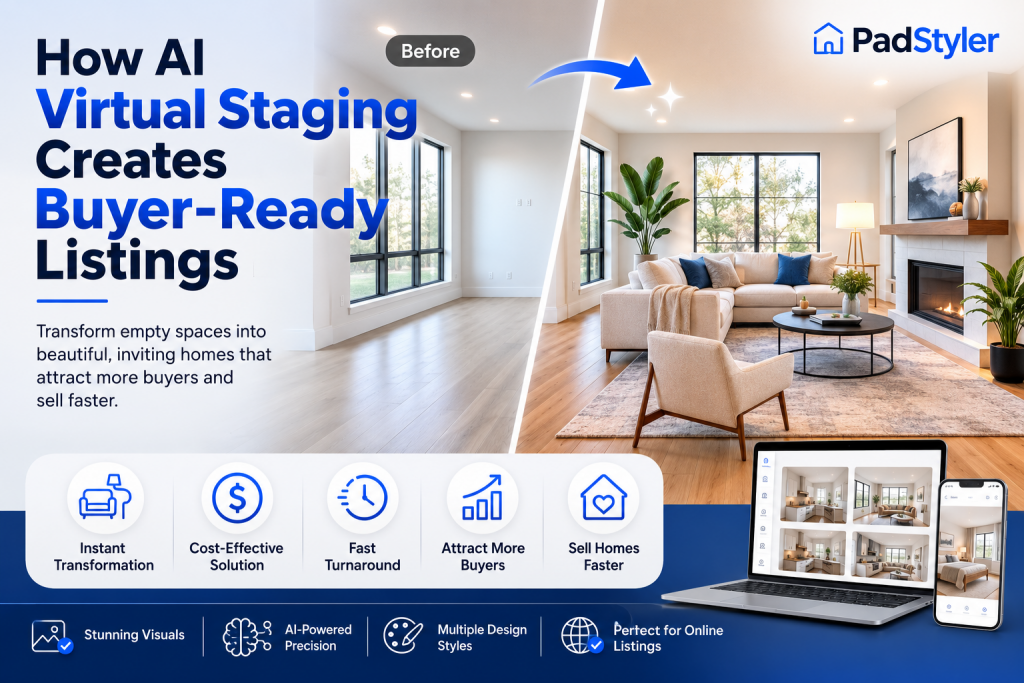
ai virtual staging is a technology that uses artificial intelligence to digitally decorate and furnish property photos.

Instead of physically bringing furniture into a home, AI software analyzes a room image and adds realistic furniture, décor, lighting, and design elements digitally.

Using tools like PadStyler, agents can:

  • Furnish empty rooms
  • Redesign interiors
  • Create modern styles
  • Improve lighting and presentation
  • Generate attractive listing photos

The process is simple, fast, and much more affordable than traditional staging.


Why Realtors Are Switching to Virtual Staging AI

Buyers Make Decisions Quickly

Online buyers decide within seconds whether they want to continue viewing a listing.

If the property photos are unattractive, dark, or empty, buyers often move on immediately.

Using Virtual Staging AI, realtors can create warm, welcoming spaces that capture attention instantly.

Beautiful visuals help buyers:

  • Feel emotionally connected
  • Understand room layouts
  • Imagine living in the property
  • Stay longer on listings

This can dramatically improve engagement.


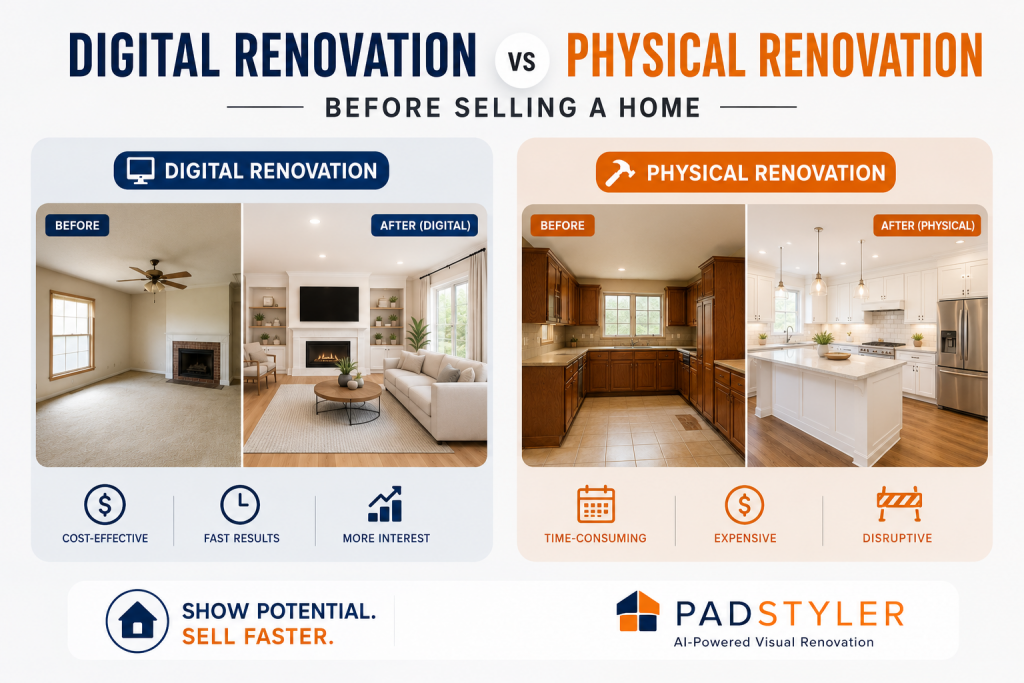
Traditional Staging vs AI Powered Virtual Staging

Traditional staging has been used in real estate for years. While it can be effective, it also comes with challenges.

Traditional staging often includes:

  • Furniture rental costs
  • Delivery charges
  • Interior designer fees
  • Setup and removal time
  • Scheduling complications

In comparison, AI Powered Virtual Staging offers a faster and more affordable solution.

Traditional Staging AI Powered Virtual Staging
Expensive Budget-friendly
Requires physical furniture Fully digital
Takes days or weeks Ready in minutes
Limited style flexibility Multiple styles instantly
Difficult for multiple listings Easy to scale

For busy agents, AI staging offers a practical way to market properties professionally without large expenses.


Realtor Marketing Tips Using AI Virtual Staging


1. Focus on Strong Listing Photos

Property photos are the heart of online real estate marketing.

Before using Virtual staging AI real estate tools, make sure the original photos are high quality.

Tips for better photos:

  • Use natural lighting
  • Clean every room
  • Remove clutter
  • Use wide-angle shots
  • Keep image quality high

Better photos create more realistic staging results.


2. Stage the Most Important Rooms First

Not every room needs virtual staging.

Focus on the spaces buyers care about most:

  • Living rooms
  • Primary bedrooms
  • Kitchens
  • Dining spaces
  • Home offices

These rooms create the biggest emotional impact.


3. Match the Style to the Target Buyer

Different buyers prefer different interior styles.

For example:

  • Young professionals may like modern minimalist designs
  • Families often prefer cozy and functional interiors
  • Luxury buyers expect elegant styling

Using Stager ai tools allows agents to customize the staging style based on the property and audience.

This makes listings feel more relatable and attractive.


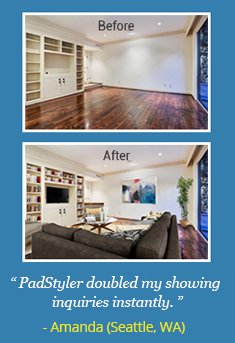
4. Use Before-and-After Content

Before-and-after staging images perform extremely well online.

These comparisons help people understand the power of staging and create strong visual impact.

You can use before-and-after visuals in:

  • Social media posts
  • Facebook ads
  • Instagram reels
  • Email marketing
  • Seller presentations

This strategy also helps attract future clients who want better marketing for their homes.

Continue reading


Instantly Visualize Beautiful Spaces with AI-Powered Virtual Staging

Instantly Visualize Beautiful Spaces with AI-Powered Virtual Staging

Seeing the true potential of a space isn’t always easy—especially when rooms are empty, outdated, or cluttered. This is where PadStyler AI changes everything. By combining advanced artificial intelligence with realistic design visualization, PadStyler lets you transform any interior or exterior photo into a fully styled, market-ready space in minutes.

From real estate professionals to homeowners and designers, AI-powered virtual staging is quickly becoming the smartest way to plan, present, and personalize spaces with confidence.

What Is AI Virtual Staging?

AI virtual staging uses artificial intelligence to digitally place furniture, décor, and design elements into real photos of a space. Unlike traditional photo editing, modern AI understands room dimensions, lighting, perspective, and layout, creating images that look natural and true to life.

PadStyler AI goes a step further by generating photorealistic results that help viewers emotionally connect with a space—whether it’s an empty living room, a remodeled kitchen, or even an outdoor backyard area.

How PadStyler AI Works

Using PadStyler AI is simple and fast. You start by uploading a photo of your room or property. The AI then analyzes the space and instantly generates professionally staged visuals based on your selected design style or use case.

With PadStyler, you can:

  • Virtually stage empty rooms for real estate listings
  • Visualize home renovations before starting construction
  • Redesign interiors with modern, luxury, or minimal styles
  • Enhance outdoor spaces with AI-powered backyard designs

The entire process takes minutes—no design skills required.

Experiment with Styles Without Commitment

One of the biggest advantages of PadStyler AI is the freedom to explore multiple design ideas effortlessly. Want to see how a modern living room compares to a cozy contemporary style? You can generate multiple versions of the same space and compare them instantly.

This flexibility allows homeowners to make better design decisions and helps real estate professionals target different buyer preferences without any physical staging costs.

Why AI Staging Outperforms Traditional Methods

Traditional staging is expensive, time-consuming, and limited to one look at a time. AI virtual staging removes those barriers entirely.

With PadStyler AI, you get:

  • Faster turnaround (minutes instead of weeks)
  • Lower costs compared to physical staging
  • Unlimited design variations
  • Scalable solutions for multiple listings or projects
  • Consistent, high-quality visuals every time

These benefits make AI staging a powerful tool for marketing, planning, and visualization.

Designed for Real Estate, Homeowners, and Designers

PadStyler AI is built for anyone who wants to present spaces at their best. Real estate agents can create compelling listing images that attract more buyers. Homeowners can visualize renovations before investing. Designers can present concepts quickly and clearly to clients.

By transforming photos into styled, inviting spaces, PadStyler AI helps turn ideas into visuals—and visuals into decisions.

The Future of Space Visualization

As AI technology continues to evolve, virtual staging is becoming more intelligent, interactive, and accessible. PadStyler AI is part of this new generation of tools that bridge imagination and reality, making design easier, faster, and more confident than ever.


The Definitive Guide To 3D Architectural Rendering

3D architectural rendering is an essential tool for architects in modern times.

This is due to the advancement in technology that has allowed them to make designs with more ease. In the olden days, plans would have to be done by hand on blueprints which would lack efficiency and accuracy. Additionally, this would make them harder to rectify as well. 3D rendering has been a blessing for many industries, especially architects. It allows their measurements and proportions to be as accurate as possible. This enables them to visualize their work in advance before it is implemented.


However, 3D architect rendering is not without its challenges. Some of these challenges require a lot of practice, creative skill, technological prowess, and the need to implement a convincing design. In this guide, we will talk about everything you need to know about 3D architectural rendering.

Let’s dive in.

Table of Contents

  1. Understanding Types of 3D Rendering
  2. Understanding Potential Problems
  3. Rendering Techniques
  4. Post-Production


1. Understanding Types of 3D Rendering

Before diving into the details, it is vital to understand the types of 3D rendering. This is to avoid any confusion once we begin understanding how it works. Understanding this will also help you avoid any awkward interview moments where interviewers may ask you basics. By knowing the types of 3D rendering, you can ensure such a scene does not occur and become part of their 3D architectural rendering services.


The two main types of 3D rendering are offline rendering and real-time rendering. Let’s try and understand what each of these is.

Offline rendering refers to when frames are rendered in the form of a still image or sequences of images. It is generally used by architects who want to create photorealistic designs that catch the eye of audiences. You may have often seen such images as concept designs in front of construction sites. The point of these images is to show off as much potential of the plan. Additionally, it must also look realistic so that it looks convincing. The main priority of offline rendering is quality and does not focus on other aspects. Lighting and shading are some examples of offline rendering elements which we will talk about later.

Real-time rendering is another visualization technique that relies on moving images that give the impression of animation. These images are loaded rapidly, giving the effect of real-time movement. You can use it to provide a more detailed appearance of architectural designs. For example, a complex revolving design for a door may be shown more accurately through real-time rendering than offline rendering. Real-time rendering can also help impress clients, which makes it a helpful tool for architects.


2. Understanding Potential Problems

While 3D rendering does bring a lot of advantages and benefits to the table, it also brings potential challenges. It is essential you first understand these challenges before we dive into rendering techniques so you can have a firmer grasp on the topic.

One common mistake that architects tend to make is failing to understand the basic details of the design. This can be anything from floor plans to furniture plans during, for example, 3D apartment rendering. If there is a mistake made during this part, it can cause a lot of hiccups in the whole process. This can lead to disgruntled higher-ups or clients, which may require you to reevaluate the design. In this way, a lot of time and effort may end up being wasted.


Another problem arises with the choice of 3D rendering software. There are many software options out there, but it is impossible to choose all of them. You will have to narrow down the options based on various factors such as cost and features. It can be helpful to avail free trials so that you can get a feel for them and choose which one is ideal for you. It would help if you were on the lookout for standard plug-ins: forest packs, floor generators, and vray options, among others. Some of the cheaper software options may not have these advanced features, so you must evaluate all these factors. Keep in mind that you may be rendering various models, such as 3D building rendering.

Now that you have understood the potential problems, we will look at the nitty-gritty details of the actual work or techniques of 3D rendering.


3. Rendering Techniques

This is where we talk about the actual work that is involve in 3D architectural rendering. We will be looking at the basic techniques that go into 3D rendering and newer methods that are getting popular. Understanding these techniques separately will ensure you get a good grasp of them so you can see how they come together to create a 3D model.

Modeling is the first step of any 3D rendering process. The more effort you put into this part of the process, the higher your final rendering’s value. This means adding as much detail as you can to ensure a high level of photorealism. We recommend investing a high percentage of your time in this process.

Textures are another basic yet essential component of 3D rendering. You must pick the right textures for your model to ensure a high level of realism. Otherwise, even if you add a high amount of details to your model, the final render may fail to deliver because of unsuitable textures. It would help if you chose textures that suit the render to make sure the final product provides. You must consider perspective and angles to show off the perfect texture of the final render. Using high res images will also add value to your textures.


The setting is another vital aspect of your render. This involves choosing the perfect backdrop as well as light settings. Lighting is critical for the final presentation of your render, as the lighting and shadow effects make it look realistic and convincing. Having a neatly prepared file can help during this process because you will probably be making many changes. Learning how to choose the appropriate setting can’t generally be define by a set of rules as each model will be different and will require different ones. This is something only experimenting and experience will teach you. An experienced architect can realize what lighting and perspective to choose almost immediately. It is important to note here that you should be wary of reflections. If your model displays metallic objects, then the reflections should be according to the material. If your reflections look off, the final render will not look convincing.

Ray tracing is a more modern feature of 3D rendering software, such as Chaos Vray. Ray tracing refers to the process whereby the software will generate an image by tracing rays of light from a virtual camera and then simulating the effect based on how they interact with various objects. This can involve shadow formation as well. It is an effective technique that can be used to form photorealistic images quite quickly.

A combination of these techniques results in a final render that will give us the final image that we are used to seeing in concepts after post-production. We will discuss post-production in the next chapter.


4. Post Production

Once you have completed the rendering, it is time to add the final touches. This is post-production. The final raw render that you will generate may often have minor flaws that need to be rectified.

Post-production changes could be anything from colors and details that may need to be touched up. Sometimes, bigger changes will require, such as changing the perspective to improve the final product even more. Some of the elements you may change up may include grass, trees, background, and location. Brightness, shadows, and color contrasts are other features that you may tweak.


Wrapping up

3D Architectural Rendering is a handy tool for architects as it brings in a lot of ease and benefits for them. However, this is not without its problems, as you have seen some of them outlined in this guide. Various techniques are involved in 3D architectural rendering, and we have highlighted the important ones to get the complete picture that this process involves. We hope this guide has been helpful and informative.

We look forward to seeing you diving into 3D architectural rendering and thriving at it.


How Has Drone Photography Revolutionized the Real Estate Industry- An Insight

More real estate professionals are turning to drone photography and videos to market their listings better. Real estate professionals say that real estate drone photos provide an aerial view of the property, which allows them to showcase home interiors in a way that no other real estate photography does. Drone video is also taking over since it can capture luxury real estate videos in ways traditional realtor videos cannot compete with. So real estate photography and real estate rendering are the top trending technologies in the business these days.

Continue reading


Customer Spotlight: Chris Acchione, Wise Group Realty


Wise Group Realty
Cell – 289 380 7532
Office – 416 687 5389

Chris Acchione

Wise Group Realty


What is the best part of your job?

The favourite part of my job is constantly meeting and working with new people!
 

How did you land your very first listing?

I got my first listing by striking up a conversation with a stranger at a restaurant.
 

What makes a great Real Estate Agent?

In my opinion tenacity, persistence and too customer service make a great real estate agent! Sometimes it takes months for the perfect property to come to market. You might have to work with a client for weeks or months and see 50 properties before finding the right home. The key is to never give up and always make sure to do everything in your power to keep your client happy. This leads to repeat business! Customer service is paramount!
 

What advice would you give to a new agent?

My advice to a new agent is to hustle all the time. It is important for new agents to constantly go outside of their comfort zone to get their name and brand out there.
 

If you were not in Real Estate, what would you rather be?

If I wasn’t a Real Estate Agent I’d love to be a professional golfer!


7 Reasons Virtual Staging Helps New Construction Homes Sell Faster

When working with a homeowner to sell their home or a buyer, you know all the tricks and steps it takes to make your clients happy. As a realtor, you know what it takes to get a home sold fast and for a price, everyone can agree on. However, some of the best tricks for selling a home fast at a good value require the buyer to put in a bit more money for the sale.

When the client can’t pay for all the marketing tactics needed, you’ll need to start looking for alternatives. This is where virtual staging benefits come into play. One way relators get homes sold fast is by staging them, but this can cost thousands of dollars.

Instead, consider using virtual staging, which is more affordable and offers some other benefits as well. Curious to learn more about how virtual staging can help you and your clients sell their homes? Continue reading below to learn everything you need to know about how virtual staging helps sell a home faster and other benefits!

Of course, this way of presenting properties to clients is very new and may be confusing to get your head around.

After
Before

How effective is virtual staging?

Virtual staging is a fantastic way to present your property in the best light possible. The process involves using cameras and 3D models, which give potential buyers much more insight than they would otherwise have when looking at homes on their own without any visual aids or tours available for viewing purposes. Virtual staging is a highly effective strategy for increasing conversion rates. Studies show that it can increase leads by up to 50%.

Moreover, virtual staging helps increase a home’s value. The lower cost of staging a property means more people can afford it and the added convenience of being able to view a 3-D rendering online means they can take their time in deciding whether or not it’s right for them.

What does virtual staging involve?

Virtual staging is basically presenting a property in its best possible light using cameras and other visual aids. The pictures show the home exactly as it is, while the 3D rendering gives buyers a better view of what they can expect when moving into their new digs.

Additionally, virtual staging helps drive traffic to your listing and increases exposure and interaction. It also enhances search engine optimization, so potential clients can find your listings more quickly and efficiently.

Virtual staging is an extremely helpful way to present a property to interested viewers, but it doesn’t end there. Staging also offers other benefits for real estate agents. When you’re ready to learn about what they are, read on!

1. Customized for Your Buyer

Virtual staging allows you to create a customizable experience to wow your buyers. Your first step is to determine what the buyers are looking for in a home. What’s their style or other personal preferences?

Once you’ve gathered some information on what the buyer is looking for, you can then create the perfect home for them by using virtual staging. If you’re working with a buyer, talk to them about what they want in a home. You can then create the home of the dreams in virtual reality.

Continue reading