In the competitive U.S. real estate market, first impressions matter. Potential buyers often form opinions about a property within seconds of viewing its online listing. This is where virtual staging emerges as a powerful tool, outshining traditional staging in cost, convenience, and effectiveness. But there’s more—virtual staging opens doors to complementary technologies like virtual renovation, 3D renderings, 3D walkthroughs, and professional real estate photography, offering a holistic approach to property marketing.
Here are 5 reasons why virtual staging is better than traditional staging, especially for U.S. real estate agents, homeowners, and developers:
1. Cost-Effectiveness Without Compromise
Traditional staging can cost thousands of dollars, including furniture rental, transportation, and setup fees. Virtual staging, on the other hand, provides stunning visuals for a fraction of the price.
- A virtually staged room costs as little as $50-$150 per image, compared to the $2,000+ average for physically staged homes.
- No ongoing rental costs or hidden fees—once it’s done, it’s yours to use.
Bonus Tip: Pair virtual staging with real estate photography to create high-quality visuals that capture buyers’ attention online.
2. Unmatched Customization Options
With virtual staging, the possibilities are endless. You can showcase different interior styles to appeal to varied buyer demographics. Want a minimalist look for millennials or a cozy traditional feel for families? No problem!
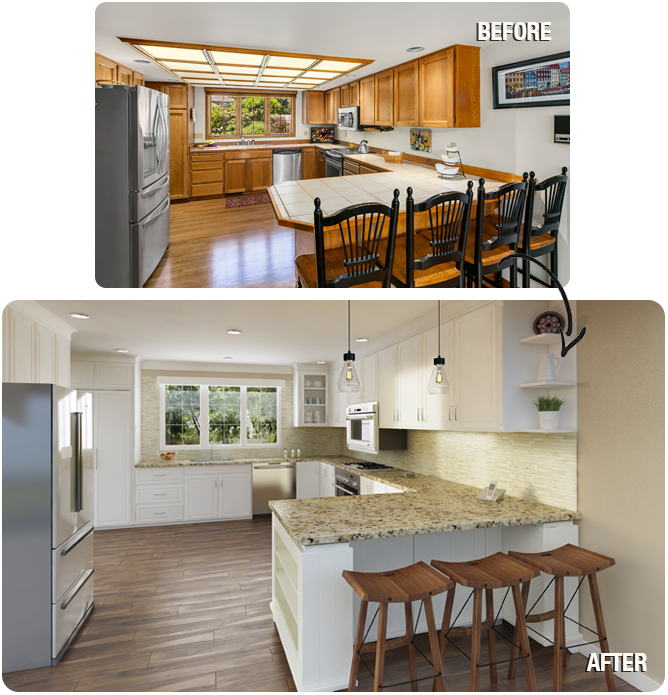
- Virtual renovation takes customization a step further by reimagining outdated spaces, showing potential buyers what a property could look like after upgrades.
- 3D renderings can highlight structural changes, while 3D walkthroughs offer immersive experiences for online buyers.
3. Time-Saving and Hassle-Free
Traditional staging requires time to source furniture, coordinate logistics, and physically stage a home. Virtual staging eliminates these hassles entirely:
- Professional designers can virtually stage a home in as little as 24-48 hours.
- No need to disrupt tenants or homeowners during the staging process.
Added Advantage: A 3D walkthrough can complement virtual staging, offering potential buyers an interactive and immersive way to explore the property at their convenience.
4. Perfect for Vacant or Unfurnished Homes
Vacant homes often feel cold and uninviting, making it hard for buyers to visualize their potential. Traditional staging can help, but moving in physical furniture is a costly and cumbersome process.
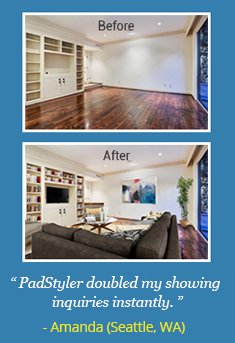
- Virtual staging brings warmth and life to empty spaces, instantly creating inviting atmospheres.
- For real estate developers, 3D renderings are ideal for marketing properties still under construction.
5. Eco-Friendly and Sustainable
In today’s environmentally conscious world, virtual staging is a sustainable alternative to traditional staging. It eliminates the need for transporting and manufacturing physical furniture, reducing the overall carbon footprint.
Pro Tip: Combine virtual staging with professional real estate photography for eco-friendly yet high-impact marketing materials that resonate with modern buyers.
How Other Technologies Enhance Virtual Staging
- Virtual Renovation: Ideal for showing outdated properties in their best light by reimagining kitchens, bathrooms, or outdoor spaces.
- 3D Rendering: Allows you to market unfinished properties with photorealistic visuals, attracting buyers even before construction is complete.
- 3D Walkthroughs: Offer buyers the freedom to explore every nook and cranny of a property remotely, saving time for both buyers and sellers.
- Real Estate Photography: When paired with virtual staging, high-quality photos become the perfect attention-grabbing combination for online listings.
Virtual staging is more than just a cost-effective alternative to traditional staging—it’s a gateway to modernizing real estate marketing. By integrating technologies like virtual renovation, 3D renderings, 3D walkthroughs, and professional photography, U.S. real estate professionals can deliver immersive and memorable experiences for potential buyers.
In today’s digital-first world, virtual staging isn’t just better—it’s essential. Ready to elevate your property listings? Start exploring the possibilities of virtual staging today!